


Commentary: Why More Students Are Skipping School
July 1, 2026

In 2022, when data was gathered by the U.S. Department of Education about the percentage of chronically absent students, Minnesota was in the middle of states with 27 percent of students missing 10 percent or more of school days.
When students stop showing up to school, we should focus on more than simply attendance. I believe the education system must recognize the core of the issue is engagement. To improve student attendance, we need to stop asking how to get students into classrooms and start working to create classrooms they want to be in.
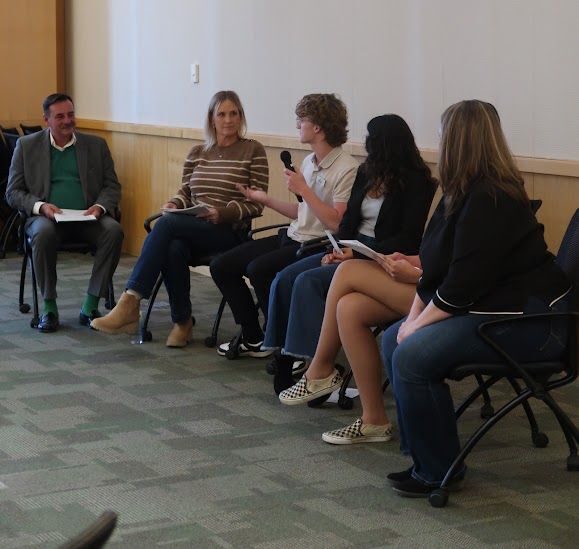
I am a member of the Academic Attendance and Engagement Committee of the Minnesota Youth Council, a group of young people that serves as an official advisory body to amplify youth voices in government and organizations across the state. We seek to highlight the views of students, whose perspectives are paradoxically often left out of conversations about school attendance.
Chronic absenteeism, defined as a student missing 10 percent or more of class time, rose significantly after COVID and remains high compared to pre-pandemic times. When a student misses school, they miss out on opportunities to develop critical-thinking skills, build relationships with others, and learn about things that genuinely excite them. According to the U.S. Department of Education, chronically absent students are four times less likely to finish high school.
My Minnesota Youth Council committee created a survey that was completed by 227 high schoolers in Minneapolis, mostly from Washburn and Edison High Schools. The results are telling: students are missing school because the education system is not meeting their needs — including anxiety about being there.
In the past, methods for addressing the issue have included negative reinforcement techniques — such as hall sweeps, weekend school, and truancy court.
More recently, educators have begun to recognize that low attendance isn’t a character flaw of an individual student or a disinterested family. It is a symptom of flaws in our education system that have been exacerbated by COVID, lack of investment in education, and stress of both teachers and students.
When asked to identify factors that cause them to miss school, 50 percent of students in our survey chose “feeling overwhelmed or stressed out by school.” “Lack of sleep” was selected by 39 percent of students, and “feeling bored” was selected by 29 percent.
While some already know what they want to do when they grow up, many others are still trying to pinpoint their interests. Some students plan to go to college; others don’t. Despite this diversity, modern education systems treat students uniformly.
High schoolers are required to take mostly prescribed core classes rather than delving into subjects that let them explore fields they care about or help them discover their passions. Arts and career exploration classes are frequently the first to go when schools face budget cuts. As one student who filled out the attendance survey wrote, “There are not enough classes that teach you real-life, usable skills.”
More traditional reasons for absenteeism persist. Students miss school because they have to work to support their families or stay home and watch younger siblings while their parents are out. Many of these students are best engaged in an alternative school setting that offers more one-on-one support or virtual options, but they often don’t receive the support they need or face punishment for being out of class.
Relationship-building among students, families, teachers, and administrators is another crucial element in engagement and improving attendance. According to one survey respondent, “When a teacher personally connects with me, it makes me want to show up because they care how well I do and they try to support me.”
Many schools have found success by engaging families through phone calls or text messages when a student has been absent for some time.
The education system needs to recognize that every student has different needs. Not every student will end up going to a traditional four-year university; many want classes that prepare them for their future job. Students who plan to go to college want interesting and varied classes to help them decide their future career path.
When discussing attendance, I urge educators to strive to improve student well-being — not simply how many chairs are filled, but how many students are truly engaged. When schools meet students’ needs, the numbers will follow.
Commentary originally published in the Minnesota Women's Press: https://www.womenspress.com/commentary-why-more-students-are-skipping-school/